Son Dakika

- KEMER MERKEZLİ DEV OPERASYON: 27 ŞÜPHELİ GÖZALTINDA
- YENİ PARTİ KEMER’DE YENİ DÖNEMİ YENİ BİNASINDA BAŞLATTI
- KEMER DEVLET HASTANESİ’NE GÜNEŞ ENERJİSİ SİSTEMİ GELİYOR
- KONYAALTI BEBEK PARKI YENİLENİYOR
- İYİ PARTİ ANTALYA İL BAŞKANI ALİ ADNAN KAYA’DAN “BARIŞ YASASI”NA SERT TEPKİ
- KEMER’İN ELEKTRİK SORUNLARI MASAYA YATIRILDI
- Yİ PARTİ ANTALYA İL BAŞKANI ALİ ADNAN KAYA’DAN AYKUT KAYA’YA SERT TEPKİ
- HATİCE ÖZ SEÇİM KOORDİNASYON MERKEZİNİ AÇTI
- GAZİOĞLU SÖZÜNÜ TUTTU: KEMER’E DEV SPOR YATIRIMI GELİYOR
- İYİ PARTİ’DEN TARİHİ ŞERH: 7 BİN 563 ŞEHİDİMİZİN ADI TEK TEK KAYDA GEÇİRİLDİ



HR Innovations in the Online Casino Sector Today
To enhance employee engagement in the betting industry, focus on the integration of gamified learning experiences. Recent findings suggest that 65% of employees favor learning the ropes through interactive methods rather than traditional training sessions. Transitioning to a dynamic learning environment enhances retention and boosts confidence among staff.
Another significant aspect is the implementation of personalized career development plans. Companies that promote tailored growth paths have reported a 33% increase in employee satisfaction rates. Consider leveraging assessment tools that align individual goals with organizational objectives, ensuring a win-win situation for both parties.
In your hiring process, prioritize cultural fit alongside technical skills. A study from 2026 highlights that companies emphasizing culture alignment see a 50% reduction in turnover. Using platforms that assess personality traits can lead to better matches, creating a harmonious work atmosphere.
Moreover, flexible working arrangements are becoming a cornerstone for talent retention. Over 70% of workers in the gambling sector are more likely to stay with an employer that offers hybrid work options. Providing remote capabilities not only attracts talent but also increases overall productivity.
Finally, it’s worth considering that frequent feedback mechanisms positively impact performance. Establish a routine of one-on-one check-ins to foster open communication. Organizations that implement continuous feedback loops experience an uptick in employee engagement by as much as 38%.
For further insights into enhancing human resources within the betting industry, check out vavada hr.
Leveraging Data Analytics for Enhanced Recruitment Processes
Utilizing data analytics can optimize recruitment by enabling precise targeting of potential candidates. For the casino sector, tracking candidate behavior through platforms like LinkedIn and Glassdoor provides insights into desirable traits and qualifications. Using predictive analytics, HR teams can identify patterns of successful hires, streamlining their search.
Data-Driven Candidate Profiling
Integrating algorithms to refine candidate profiles aids in filtering applicants efficiently. HR departments should deploy tools that analyze past recruitment data, correlating it with employee performance metrics. A study revealed that companies leveraging data increased job fit satisfaction by 23%. This method enhances the likelihood of hiring individuals who resonate with the company culture and mission.
Streamlined Application Processes
Automating initial recruitment phases through chatbots and AI screening tools reduces time-to-hire significantly. Companies report up to a 40% decrease in administrative workload. Implementing analytics can highlight bottlenecks in the recruitment funnel, allowing teams to adjust their processes accordingly. Key metrics to track include candidate drop-off rates and time spent at each application stage.
Furthermore, consistent post-hire analysis helps refine recruitment strategies. By measuring new hire performance against historical data, HR teams can adjust criteria and improve the decision-making process over time. This iterative improvement not only leads to better hires but also enhances retention rates among employees.
Finally, incorporating sentiment analysis can enrich the recruitment experience. Examining candidate feedback via surveys can guide adjustments in the hiring process. Employing such analytics leads to a more engaging recruitment journey, potentially increasing applicant interest by up to 30%.
Implementing Employee Wellness Programs in Remote Work Environments
Incorporating mental health resources into remote work frameworks is paramount. Businesses should offer virtual counseling sessions and online workshops focused on stress management. Research indicates that companies providing access to mental health services see a 30% reduction in employee absenteeism.
Key Components of Remote Wellness Initiatives
-
Fitness Challenges: Engage employees with monthly fitness goals, offering rewards like gift cards or additional time off.
-
Work-Life Balance Enhancements: Encourage employees to establish boundaries, such as no work emails after hours.
-
Mindfulness Programs: Implement regular guided meditation sessions to improve focus and reduce anxiety, resulting in a 25% increase in productivity.
Communication plays a significant role. Weekly check-ins can help identify burnout signs early. Companies that prioritize open dialogues about workload and mental wellness report improved morale, with up to 40% of employees feeling valued.
Monitoring and Adapting Wellness Efforts
-
Feedback Mechanisms: Utilize anonymous surveys quarterly to assess program effectiveness and employee satisfaction.
-
Data Analytics: Track participation rates and health outcomes using analytics tools to refine offerings in real-time.
Lastly, integrating social wellness initiatives is critical. Virtual team-building activities can boost camaraderie, leading to a 15% increase in employee retention rates. Maintaining a connected community is vital for overall engagement in remote settings.

BENZER HABERLER






En Son Haberler
-
 KEMER MERKEZLİ DEV OPERASYON: 27 ŞÜPHELİ GÖZALTINDA
Antalya Cumhuriyet Başsavcılığı tarafından yürütülen soruşturma ...
-
 YENİ PARTİ KEMER’DE YENİ DÖNEMİ YENİ BİNASINDA BAŞLATTI
Yeni Parti Kemer İlçe Başkanlığı, hazırlıkları tamamlanan yeni h...
-
 KEMER DEVLET HASTANESİ’NE GÜNEŞ ENERJİSİ SİSTEMİ GELİYOR
Kemer Devlet Hastanesi’nde sürdürülebilir enerji kullanımı ve en...
-
 KONYAALTI BEBEK PARKI YENİLENİYOR
Konyaaltı Belediyesi ekipleri, bebek ve çocuklar için Konyaaltı ...
-
 İYİ PARTİ ANTALYA İL BAŞKANI ALİ ADNAN KAYA’DAN “BARIŞ YASASI”NA SERT TEPKİ
İYİ PARTİ ANTALYA İL BAŞKANI ALİ ADNAN KAYA’DAN “BARIŞ YASASI”NA...
-
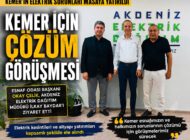
 KEMER’İN ELEKTRİK SORUNLARI MASAYA YATIRILDI
KEMER’İN ELEKTRİK SORUNLARI MASAYA YATIRILDI Kemer Esnaf ve S...
-
 Yİ PARTİ ANTALYA İL BAŞKANI ALİ ADNAN KAYA’DAN AYKUT KAYA’YA SERT TEPKİ
Yİ PARTİ ANTALYA İL BAŞKANI ALİ ADNAN KAYA’DAN AYKUT KAYA’YA SER...
-
 HATİCE ÖZ SEÇİM KOORDİNASYON MERKEZİNİ AÇTI
HATİCE ÖZ SEÇİM KOORDİNASYON MERKEZİNİ AÇTI ATSO Başkan Adayı...
-
 GAZİOĞLU SÖZÜNÜ TUTTU: KEMER’E DEV SPOR YATIRIMI GELİYOR
GAZİOĞLU SÖZÜNÜ TUTTU: KEMER’E DEV SPOR YATIRIMI GELİYOR AK P...
-
 İYİ PARTİ’DEN TARİHİ ŞERH: 7 BİN 563 ŞEHİDİMİZİN ADI TEK TEK KAYDA GEÇİRİLDİ
İYİ PARTİ’DEN TARİHİ ŞERH: 7 BİN 563 ŞEHİDİMİZİN ADI TEK TEK KAY...